
Skin Guide · Nov 2026
Skin Guide
Questions worth asking
A safe clinic is easy to recognise once you know what to look for. Here is a short checklist you can use before and during your visit.
Care
you can
check
Maylin Apgujeong
Model portrait
Not a patient
Skin Guide · Planning
How to Judge a Safe Skin Clinic in Seoul: Doctors, Devices and Products
A safe skin clinic in Seoul is one where a doctor examines you and performs or directly supervises your treatment, where devices use genuine tips and cartridges, where injectables are opened in front of you, and where you receive a written plan before you pay. None of these is hard to check, and a good clinic will not mind you asking. Our medical review process explains how we approach this at Maylin.
Maylin Apgujeong · Skin Guide
Why does this matter more when you are travelling?
At home you can return to the same clinic if something is not right. On a short trip, you may have only one or two visits, and follow-up happens by message after you fly. That makes the first decision more important. Seoul has many careful, well-run clinics, and it also has very high volume in some places. The checks below help you tell the difference without needing to read Korean.
Who will actually examine and treat you?
In Korea, injections such as Botox and fillers, and energy-based treatments such as HIFU and RF, are medical procedures. Ask directly:
- Will a doctor examine my skin before the treatment is chosen, or only a counsellor?
- Who will perform the treatment itself? If it is not the doctor, who supervises it?
- Can I see the doctor’s profile and qualifications before I book?
A consultation with a non-medical coordinator can be useful for scheduling and quotes, but it does not replace a medical assessment. Our doctor profiles are linked at the end of this guide.
How can you tell a device tip or cartridge is genuine?
Lifting devices depend on consumable parts. Thermage uses single-use treatment tips, Ultherapy uses transducers, and Korean HIFU uses cartridges. Unofficial or reused parts are a known problem in aesthetic medicine worldwide, and they can affect both results and safety.
- Ask which device and which tip, transducer or cartridge will be used.
- For Thermage, ask to see the tip before it is attached. Tips come in set pulse counts, and the device tracks the count during treatment, which is how shot numbers are measured. Our Thermage shot count guide explains what those numbers mean.
- For any device, it is reasonable to ask how the clinic sources its consumables.
If a clinic is reluctant to show you the product or tip, treat that as information.
Are injectables opened in front of you?
For Botox, fillers and skin boosters, the product should be identified clearly. Good practice looks like this:
- You are told the product name and, for toxins, whether it is a Korean or imported brand.
- Filler syringes and booster products are taken from sealed packaging in front of you.
- You can ask for the product sticker or label, which carries the batch number, for your records.
- The amount, in units or syringes, matches what was agreed.
If you want to understand how clinics choose a filler product, see Korean filler brands explained.
Safety checks, from first message to aftercare
What should a written plan include?
Before you pay, you should be able to see in writing:
- The treatment name and the device or product brand.
- The areas to be treated and the amount: shots, lines, units or syringes.
- The total cost for that plan, including tax, so you can compare like with like. Our guide to why skin clinic quotes differ explains how to read a quote.
- Expected downtime and when you can fly.
- Whether a review visit is included and what happens if you need a touch-up.
A plan that only lists a package name, without the amount or the product, is hard to judge.
Does the clinic say no when it should?
One of the most useful signs is a clinic that recommends less, or nothing, when that is right for you. Be cautious if you feel pushed toward a larger package on the day, if several treatments are added without explanation, or if the answer to every concern is the same device. A careful doctor will tell you what a treatment cannot do, and will raise risks such as filler in high-risk areas or deep heat in a thin face.
Is the clinic prepared if something goes wrong?
Complications are uncommon, but preparation matters. For hyaluronic acid filler, the clinic should keep hyaluronidase available to dissolve filler quickly if a blood vessel is affected. Ask how the clinic handles concerns after you leave Korea, and whether you can send photos for a doctor to review.
Simple signs of a well-run clinic
- A clear medical history form, including medicines, allergies and pregnancy.
- Before photos taken in consistent light, so changes can be judged fairly.
- Clean, single-use needles and visible hygiene during injections.
- An aftercare sheet in a language you can read, and a way to contact the clinic.
- Consultation in a language you understand, without needing a friend to translate medical terms.
For what an ordinary visit looks like from arrival to payment, see our first visit guide, and for more planning topics, the Skin Guide.
Questions to send before you book
You can check most of this by message before you travel. Ask who will examine you, which products and devices the clinic would consider for your concern, whether the consultation is in English, and how follow-up works once you are home. A clinic that answers plainly and without pressure, and that tells you when a photo is not enough to decide, is usually one that will treat you the same way in person.
FAQ
How do I know a Seoul skin clinic is safe?
Check that a doctor examines and treats you, that products and tips are genuine and shown to you, and that you get a written plan with amounts and costs before paying.
Is it rude to ask to see the product?
No. Asking for the product name, the sealed packaging or the batch sticker is normal, and a careful clinic expects it.
Should a doctor perform my Botox or filler?
Injectables are medical procedures. Ask who will inject you and make sure a doctor has assessed your face first.
What is a warning sign during the consultation?
Pressure to buy a large package on the day, vague amounts, or no clear explanation of risks and downtime.
What if I have a problem after I fly home?
Ask before treatment how follow-up works. Being able to send photos to the clinic and get a doctor’s reply is useful.
Do I need to speak Korean?
No, but you should be able to understand the consultation fully. Ask whether it can be done in your language.
Plan a visit: send a photo and your questions on WhatsApp, LINE, or KakaoTalk, and we will explain who would treat you, which products and devices we would use, and what the plan would look like, in English, before you land.
This guide comes from Maylin Clinic Apgujeong, the Apgujeong branch of the Maylin Doctor Network in Gangnam, Seoul. You can meet our doctors before you book.
General information, not medical advice for your individual case. What is appropriate depends on your history and on an examination. See also our Medical Disclaimer and Medical Review Process.
Published
Medically reviewed by Hyoung Moon Kim, MD, PhD on .
From our channels

YouTube · from our channel
What to watch out for when botox is combined with energy devices
YouTube short on combining botox with energy-based devices
Watch on YouTube →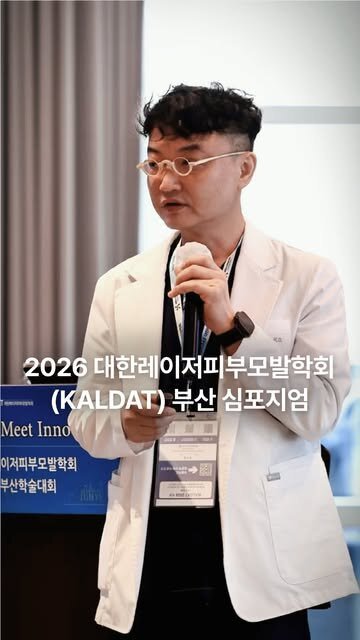
Instagram · from our channel
Dr. Kim on carbon shockwave lifting, KALDAT Busan 2026
Instagram reel of Dr. Kim lecturing at the KALDAT Busan symposium
Watch on Instagram →Not sure this is the right treatment?
That is what the consultation is for. We will look at your skin and tell you what we would recommend and what we would leave alone, including if the answer is nothing for now.
Book a consultation